Best Way to Deliver an Online Fitness Program (2026)


Playbooks
This article uses affiliate links. We earn a small commission if you sign up, at zero extra cost to you. This never influences our ratings.
The best way to deliver an online fitness program is not always the most advanced setup. It is the one that is simple for you to operate, clear for clients to follow, and reliable enough to keep results and retention high.
Many coaches start with PDF files and manual messages. That works at the beginning, but it breaks quickly: inconsistent experience, unclear progression, and rising churn. This guide helps you choose the right delivery model between PDF, LMS, membership, and hybrid systems, then implement it with minimal complexity.
Step 1: choose the right delivery format
Before choosing tools, define the experience level you want clients to have.
Option 1: PDF + manual support
Pros
- Fastest to launch
- Very low startup cost
- Good for short-term validation
Limits
- Lower long-term engagement
- Little visibility into client progress
- High support load in private messages
Option 2: video library + private access area
You deliver video content in a private space.
This is better than PDF-only delivery, but without structured progression, clients can still feel lost.
Option 3: structured LMS delivery (best default)
An LMS lets you:
- organize modules by phase or week
- control access by purchase
- integrate payments and progression
- centralize client experience
For most coaches building a long-term business, this is the strongest base: best platform to sell fitness programs.
Step 2: design a clear client journey
Retention is not about more content. It is about better sequencing.
Minimum journey structure
-
Immediate onboarding
A “start here” video, a goal-setting action, and one clear first task. -
Weekly progression path
Week-by-week structure with clear priorities, not an unstructured content dump. -
Visible wins and checkpoints
Small success markers (consistency, energy, performance) to reinforce momentum. -
Feedback moments
Weekly or biweekly check-ins to keep clients on track.
Why this works
Clients usually do not quit because they need more information.
They quit because they are uncertain about the next step.
Step 3: set up a minimal reliable tech stack
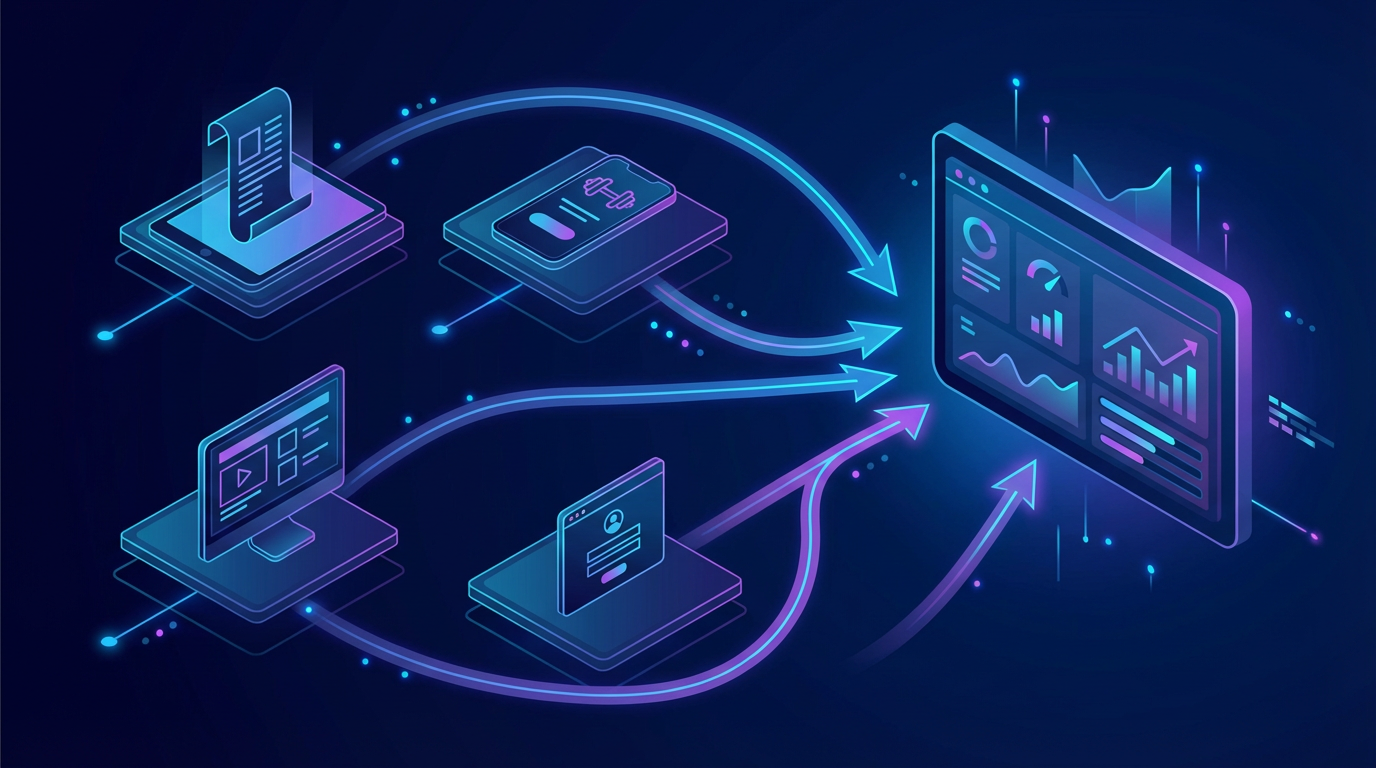
You do not need ten disconnected tools. You need one clean flow:
Payment -> access -> progression -> support
Recommended minimum stack
- Delivery platform (LMS): modules, lessons, gated access
- Payments: Stripe/PayPal integration
- Video hosting and playback: smooth streaming + access control
- Support channel: community and/or group Q&A
If you want a clean starting point without overengineering, use one of the core platforms reviewed here: best LMS for fitness coaches.
Common mistake
Connecting random tools without a single system design (docs + cloud drive + private links + manual billing).
Result: weak client experience, heavy support overhead, poor scalability.
Step 4: add engagement loops
Delivery is not just content publishing. It must drive action.
Simple high-impact engagement loops
- Standardized weekly check-in (adherence, energy, blockers, progress)
- Weekly focus statement at the top of each module
- Automated reminders for inactive members
- Monthly group Q&A to solve recurring issues
What actually reduces dropout
- Clear next action
- Consistent feedback rhythm
- Visible progress
- Lightweight community belonging
If you plan to add recurring revenue, membership can extend this system: how to build a fitness membership site.
Step 5: improve with client data and feedback
Strong delivery systems are built in iterations.
Track these KPIs monthly
- Program completion rate
- Average time to drop-off
- Weekly login/activity rate
- 30-day and 60-day retention
Ask clients these questions
- Where did you feel stuck?
- Which part helped you stay consistent?
- What felt unclear or unnecessary?
Then adjust:
- module order
- support intensity
- reminder timing
- onboarding flow
Fast comparison of delivery models
| Model | Launch speed | Client experience | Scalability | Best for |
|---|---|---|---|---|
| PDF only | Very fast | Low to medium | Low | quick validation |
| Loose video delivery | Fast | Medium | Medium | transition stage |
| Structured LMS | Medium | High | High | durable coaching business |
| Membership + LMS | Medium to slower | Very high | Very high | mature recurring model |
Mistakes to avoid
Publishing content without a journey.
A content library without progression feels like entertainment, not coaching.
Confusing volume with value.
More videos do not improve outcomes if clients are not guided on what to do next.
Ignoring mobile usage.
A large share of clients consume coaching content on mobile.
Delaying system structure too long.
Manual delivery may work with 10 clients, but it usually breaks at scale.
Summary
The best way to deliver an online fitness program in 2026 is a clear, progressive, centralized experience: structured modules, defined support, automated access, and reliable payment flow.
Start simple, but structure the essentials early: onboarding, progression, engagement, and feedback loops. For platform selection, use best LMS for fitness coaches and best platform to sell fitness programs.
Frequently Asked Questions
Related Articles

Free: The LMS Decision Checklist
7 Questions That Reveal Your Perfect Platform
Answer 7 quick questions and know exactly which platform fits your coaching style, budget, and goals.
We respect your privacy. Unsubscribe anytime.